
Four days in Port Sudan: putting the Husika platform in national hands
A platform is only as useful as the people cleared to run it. Over four days in Port Sudan, forecasters and responders worked through the whole Husika chain — from the forecast that arrives in the morning to the alert that reaches a household that afternoon.
21 July 2026
4 min read
Port Sudan, Sudan
Completed · four-day workshop
4
Days of training
SMS + IVR
Delivery channels covered
3
Partner institutions
The workshop
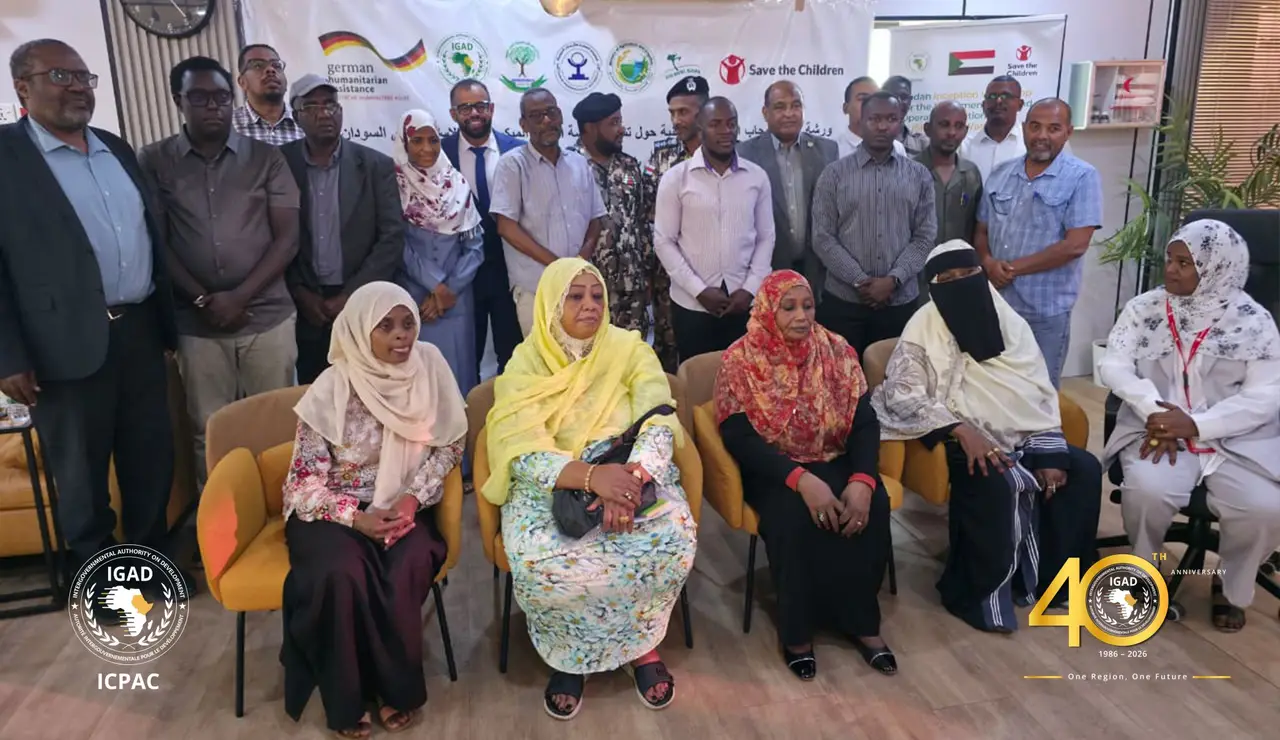
ICPAC partnered with Save the Children International and the Sudan Meteorological Authority for a four-day training workshop aimed at strengthening Sudan’s capacity to operate the Husika early warning platform.
The focus was operational rather than introductory: participants administered the platform themselves instead of watching a demonstration of it.
What was covered
Training moved through the full lifecycle of an impact-based alert, so that no step in the chain depends on outside support.
Platform administration — users, organisations and permissions
Forecast workflows, from ingest through review
Alert generation and impact-based messaging
Localised messaging in Arabic and local languages
Dissemination over SMS and Interactive Voice Response
Why voice and language decide the reach
Impact-based alerts are only actionable if they are understood. Delivering in Arabic and local languages, and pairing SMS with Interactive Voice Response, means an alert does not stop at the boundary of literacy or handset capability — a basic phone and a voice call reach people a smartphone app never will.
That combination is what makes anticipatory action possible: warning arrives with enough lead time, and in a form clear enough, that a household can act before the hazard rather than after it.
From training to standing capability
The intent was to leave behind a national capability, not a dependency. With the Sudan Meteorological Authority administering the platform directly, alerts can be issued on the authority’s own timeline and in its own voice — the precondition for early warning that is trusted as well as timely.
Source
ICPAC on LinkedInAt a glance
Port Sudan, Sudan
Completed · four-day workshop
ICPAC
Save the Children International
Sudan Meteorological Authority
More case studies
Capacity building
23 September 2026
4 min read
Juba, South Sudan
Training South Sudan’s journalists to carry climate information to the public
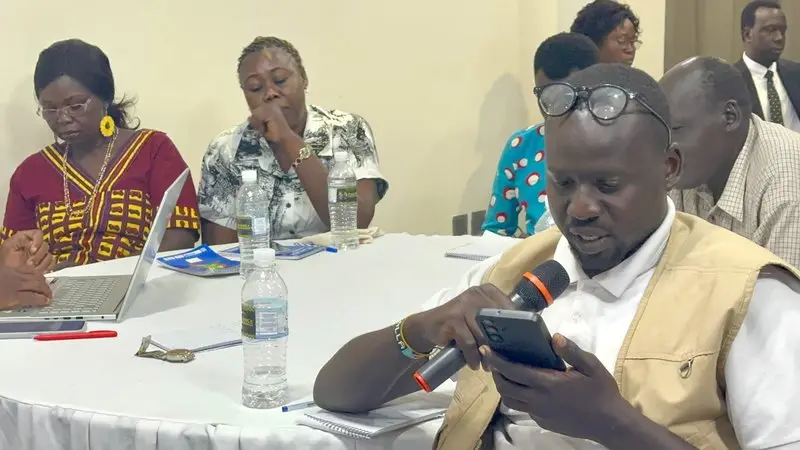
In Juba, ICPAC, WFP, the South Sudan Ministry of Humanitarian Affairs and Disaster Management and the South Sudan Meteorological Service trained journalists to carry climate information to the public without changing the science — the first in a series of Husika trainings for the media across IGAD Member States.
Programme
12 June 2026
6 min read
South Sudan
SUSTAIN: standing up multi-hazard early warning in South Sudan
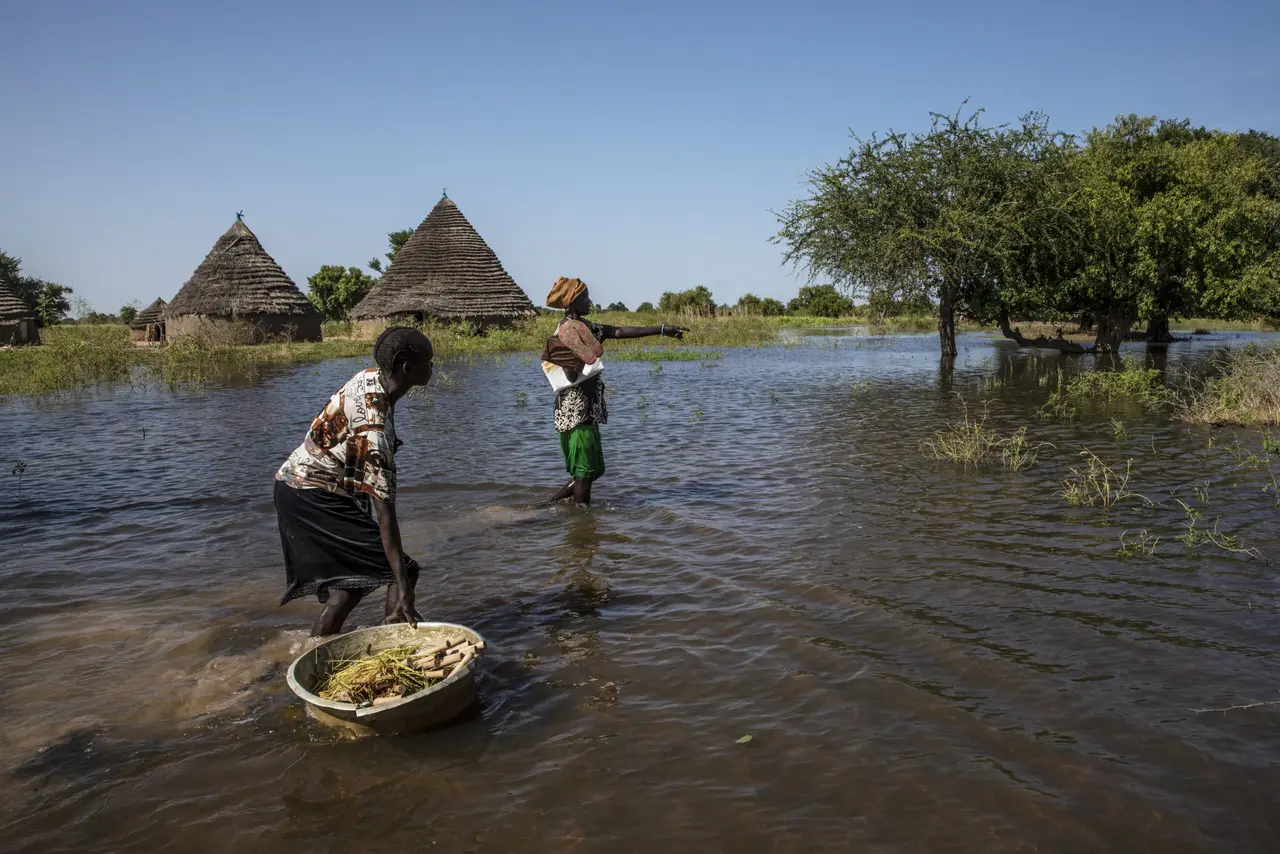
Communities and productive sectors in South Sudan face unprecedented climate impacts, yet the country lacks adequate capacity to monitor, predict and communicate them. SUSTAIN rebuilds that chain from the weather station upward — with Husika as the last mile.
Field story
8 May 2026
5 min read
Karamoja, Uganda
Sand dams and drought-tolerant seed: DRESS-EA in Uganda’s cattle corridor
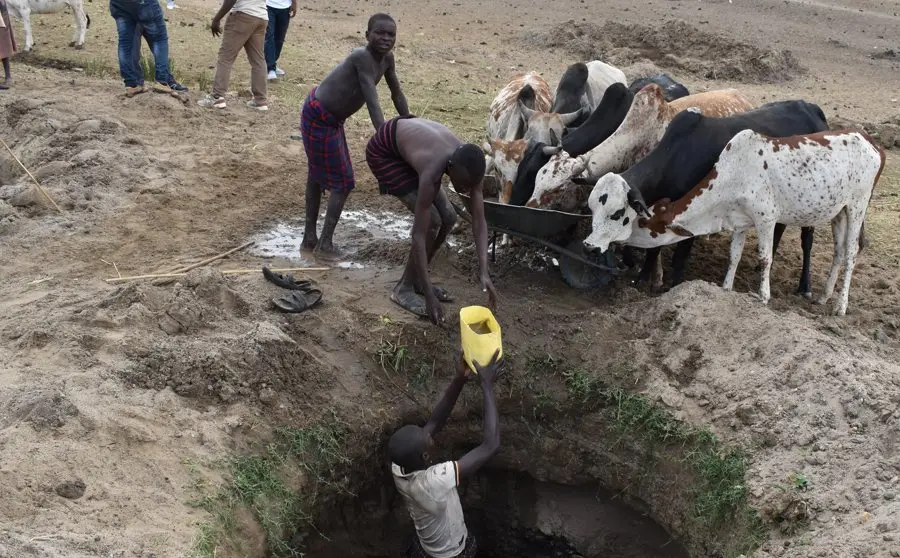
Across Djibouti, Kenya, Sudan and Uganda, the DRESS-EA project pairs early warning investment with practical water and land technologies. In Karamoja, that means sand dams, mini-irrigation and pasture varieties that survive a failed season.
Ready to transform your early warning system and build community resilience?
Join leading governments, NGOs, and climate organizations using Husika to deliver life-saving information via SMS, mobile apps, and web platforms — all with a real-time feedback loop that continuously improves impact.
NEXT STEP
Start a partnership
Already working with early warning systems?