
Training South Sudan’s journalists to carry climate information to the public
Producing an accurate forecast is only the beginning of an effective early warning system. Its value is realised when the information reaches the people who need it, in time, and in a format they can understand and use to make decisions.
23 September 2026
4 min read
Juba, South Sudan
Ongoing · first of a series across IGAD Member States
1st
Member State in the Husika journalist training series
OND 2026
Seasonal forecast used in the newsroom exercise
Oct 2026
Next training, with journalists in Sudan
The gap Husika is meant to close
Across the Greater Horn of Africa, climate forecasting and early warning have made significant progress, yet gaps remain between producing climate information and using it. Technical language can be hard to interpret, information may not reach people through accessible channels or in appropriate languages, and even when a warning is received, what it means and what action it calls for may not be clear.
Husika connects the institutions that produce authoritative climate and early warning information with intermediaries such as the media and, ultimately, with the communities who need it. It does not produce forecasts or issue warnings itself: forecasts remain the mandate of National Meteorological and Hydrological Services, and warnings are issued by each country’s mandated agencies. Husika provides the infrastructure to make that information easier to access, package and disseminate — through the app, SMS, in-app notifications and social media, with audio and local-language translation to help with literacy, language and accessibility.
The media as part of the information chain
For many communities, climate information is first encountered on radio, television, online news or social media, so the media plays a critical role in translating technical information into messages people can understand while preserving the accuracy of the science. ICPAC is therefore pairing the rollout of Husika with capacity building for journalists across IGAD Member States, and South Sudan is the first to take part.
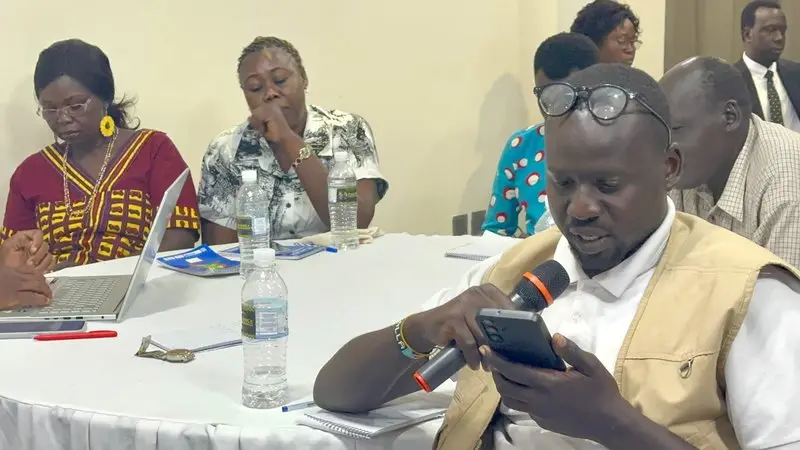
As part of the training, run with the World Food Programme, access to Husika was granted to the South Sudan Meteorological Service, strengthening its ability and confidence to use the platform within the national climate information chain. Journalists examined the challenges they face in reporting weather and climate information — accessing authoritative sources, interpreting technical terms and probabilities, and turning science into clear public messages — and where communication breaks down along the chain from forecast to warning, media, community, understanding and action.
Participants worked on the difference between a forecast and a warning, and on communicating probabilities, impacts and actions without changing the science. An 80% probability of above-normal rainfall, for instance, should not become a report that flooding will definitely occur.
Putting Husika into practice
Using the October–December 2026 forecast issued by the South Sudan Meteorological Service, journalists worked with climate information as they would in a newsroom, turning it into radio bulletins, television stories, social media messages and print. The format changed for each audience and channel; the science did not.
The training ended with a simulation that followed information through the entire chain. The test was not whether a message had been sent, but what the community had actually understood: whether the information was clear, whether people understood the risk and knew what action to take, and whether their feedback could travel back through the system.
That feedback loop is what makes early warning a two-way exchange rather than a one-way broadcast. Knowing that a message was unclear, arrived too late, or was not accessible in the right language or format helps institutions and the media improve what they send next.
Strengthening climate services across the region
The same training will be held for journalists in Sudan in October 2026, with the Sudan Meteorological Authority, Save the Children and the Sudan Ministry of Environment. Husika has also reached the cross-border areas of Karamoja (IGAD Cluster 1), where local media were included in collaboration with GIZ, which also supported the upgrade of the application.
Expanding the journalist training across IGAD Member States is meant to strengthen the connections between climate information producers, national institutions, the media and communities, working with Husika partners including GIZ, Save the Children, WFP, UNDP, GFFO and Bunifu Technologies.
Source
ICPACAt a glance
Juba, South Sudan
Ongoing · first of a series across IGAD Member States
ICPAC
World Food Programme
South Sudan Ministry of Humanitarian Affairs and Disaster Management
South Sudan Meteorological Service
More case studies
Capacity building
21 July 2026
4 min read
Port Sudan, Sudan
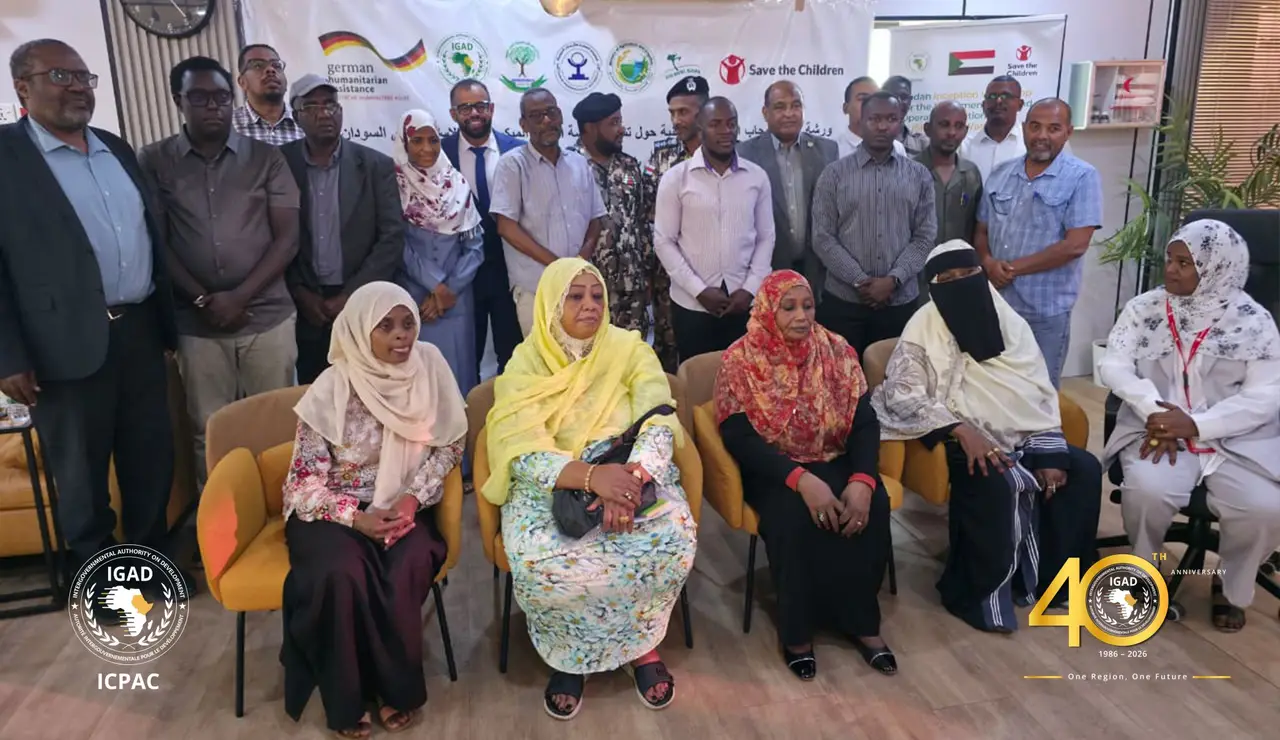
Four days in Port Sudan: putting the Husika platform in national hands
ICPAC, Save the Children International and the Sudan Meteorological Authority ran a hands-on workshop on operating Husika — from forecast workflow to alert generation, delivered over SMS and IVR in Arabic and local languages.
Programme
12 June 2026
6 min read
South Sudan
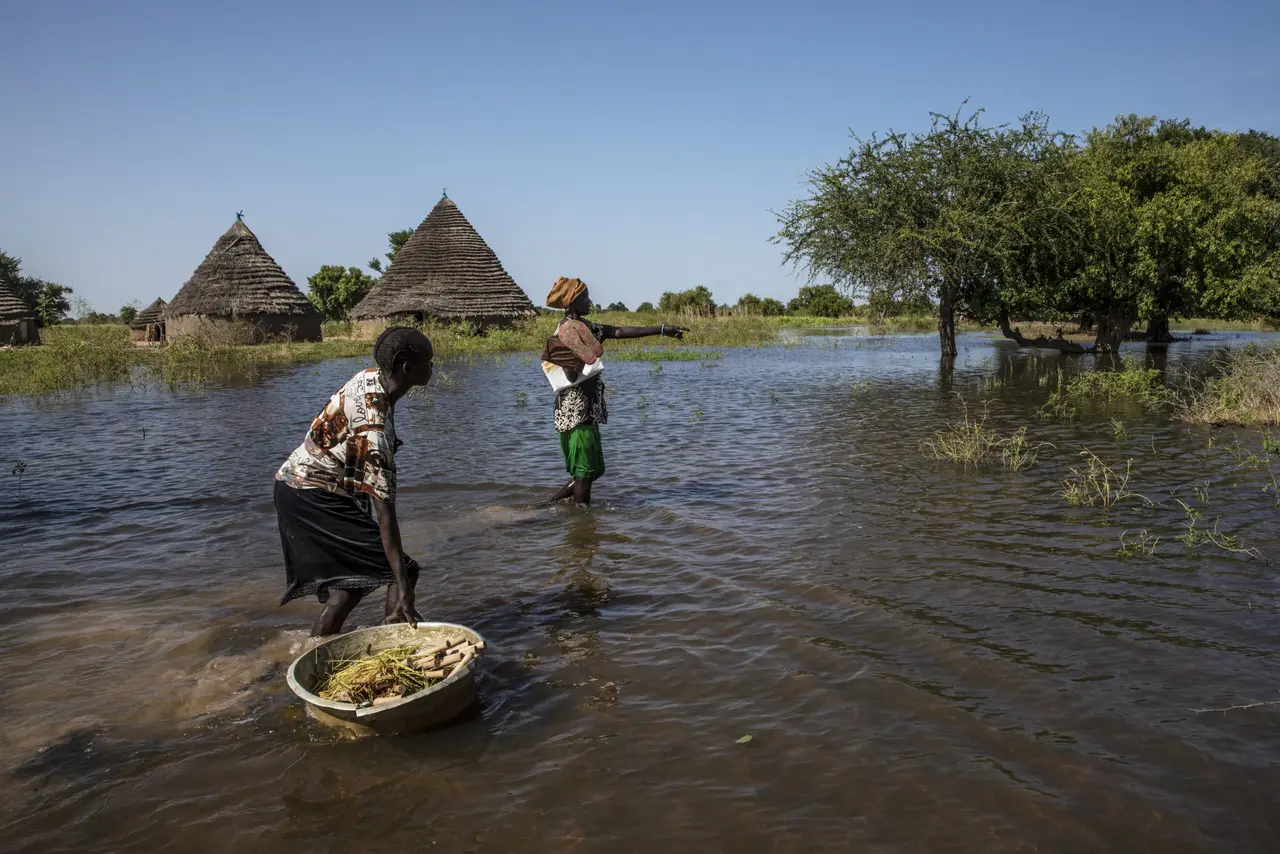
SUSTAIN: standing up multi-hazard early warning in South Sudan
Communities and productive sectors in South Sudan face unprecedented climate impacts, yet the country lacks adequate capacity to monitor, predict and communicate them. SUSTAIN rebuilds that chain from the weather station upward — with Husika as the last mile.
Field story
8 May 2026
5 min read
Karamoja, Uganda
Sand dams and drought-tolerant seed: DRESS-EA in Uganda’s cattle corridor
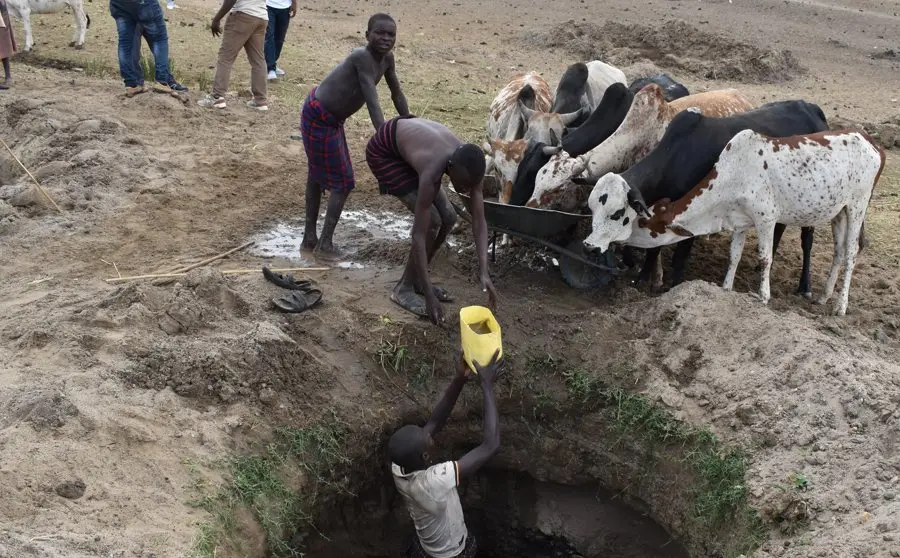
Across Djibouti, Kenya, Sudan and Uganda, the DRESS-EA project pairs early warning investment with practical water and land technologies. In Karamoja, that means sand dams, mini-irrigation and pasture varieties that survive a failed season.
Ready to transform your early warning system and build community resilience?
Join leading governments, NGOs, and climate organizations using Husika to deliver life-saving information via SMS, mobile apps, and web platforms — all with a real-time feedback loop that continuously improves impact.
NEXT STEP
Start a partnership
Already working with early warning systems?