

Sand dams and drought-tolerant seed: DRESS-EA in Uganda’s cattle corridor
Karamoja sits inside Uganda’s pastoral “cattle corridor”, where consecutive poor rainfall seasons have thinned river flows and pushed households into food insecurity. DRESS-EA is answering with infrastructure small enough to be maintained locally and durable enough to hold water through a dry spell.
8 May 2026
5 min read
Karamoja, Uganda
Ongoing · four-year programme
4
Riparian countries
$13.1M
Adaptation Fund financing
3
Karamoja sub-catchments
2019
Approved by the Fund
The pressure on Karamoja
Successive inadequate rainfall seasons have reduced river flows across the region, deepening water shortages and cutting agricultural productivity. The knock-on effects are measured in households, not hydrographs: rising food insecurity, malnutrition, and livestock that produce less because they walk further for water.
For pastoralists, water access is not a seasonal inconvenience — it decides whether herds stay in the sub-catchment or move, and movement is where loss and conflict tend to begin.
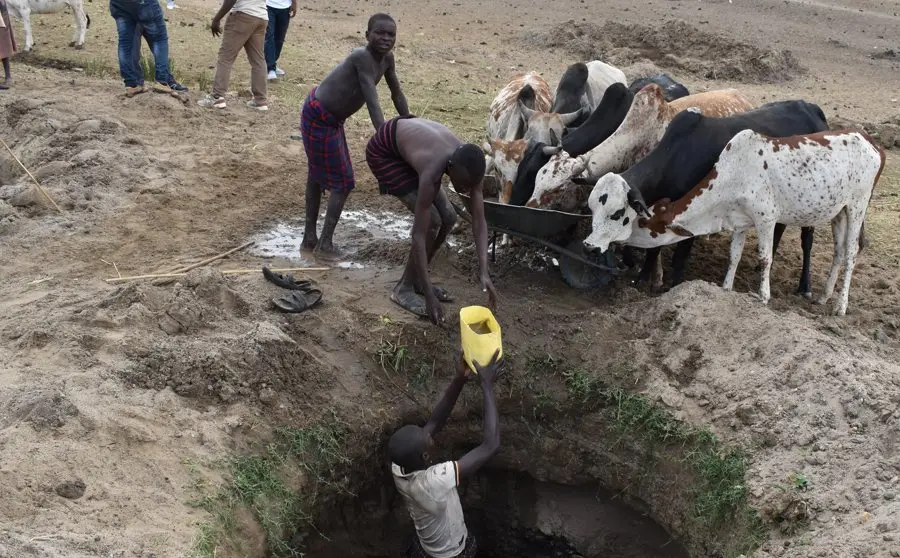
Due to long dry spells, this sand dam is the current available source of water for the animals.
What the project is building
DRESS-EA supports farmers and pastoralists to adopt sustainable land, water, crop and livestock management measures. The technologies are deliberately simple and repairable, chosen so a sub-catchment committee can keep them running after the project ends.
Sand dams, rock catchment structures and compound water harvesting systems
Mini-irrigation infrastructure so crops can be produced through dry periods
Boreholes and wells that reach underground water when surface sources fail
Drought-resistant crop and pasture varieties suited to the cattle corridor
Competitive grant schemes for household-level value addition
Where the work is happening
Implementation is concentrated in three areas of Karamoja: the Lokere catchment and its Nangoloapolon sub-catchment in Nadunget, Moroto District; the Omanimani sub-catchment in Lokopo, Napak District; and Lotisan in Moroto District.
Each site is anchored to a sub-catchment plan rather than a single structure, so a sand dam, a shallow well and a pasture plot are treated as one water system instead of three separate assets.
Why early warning sits at the centre
The project’s regional design rests on facilitating investment in early warning systems alongside the physical adaptation works — building the capacity of the institutions that issue drought information, and strengthening the knowledge management around it.
That is the gap Husika is built for. A drought bulletin that stays inside a national meteorological agency changes nothing. The same bulletin delivered as an SMS or a voice message, in the right language, to the right sub-county, in time to move a herd or plant a shorter-cycle variety, is what turns a forecast into an action.
At a glance
Karamoja, Uganda
Ongoing · four-year programme
Global Water Partnership Eastern Africa
Sahara and Sahel Observatory (OSS)
Adaptation Fund
IGAD
More case studies
Capacity building
23 September 2026
4 min read
Juba, South Sudan
Training South Sudan’s journalists to carry climate information to the public
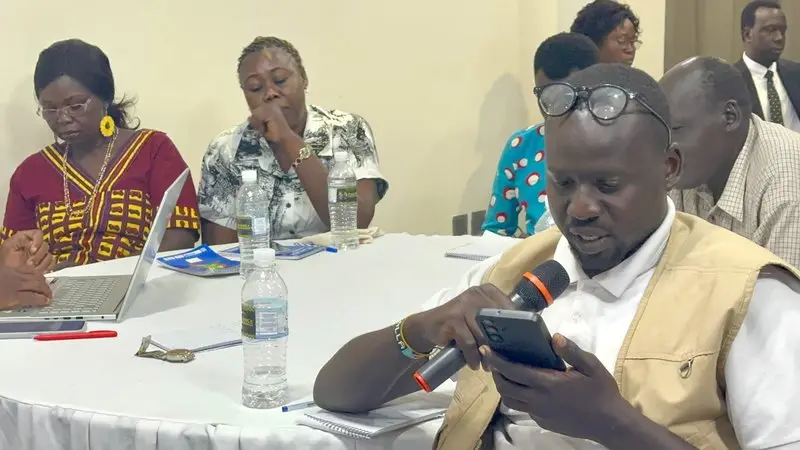
In Juba, ICPAC, WFP, the South Sudan Ministry of Humanitarian Affairs and Disaster Management and the South Sudan Meteorological Service trained journalists to carry climate information to the public without changing the science — the first in a series of Husika trainings for the media across IGAD Member States.
Capacity building
21 July 2026
4 min read
Port Sudan, Sudan
Four days in Port Sudan: putting the Husika platform in national hands
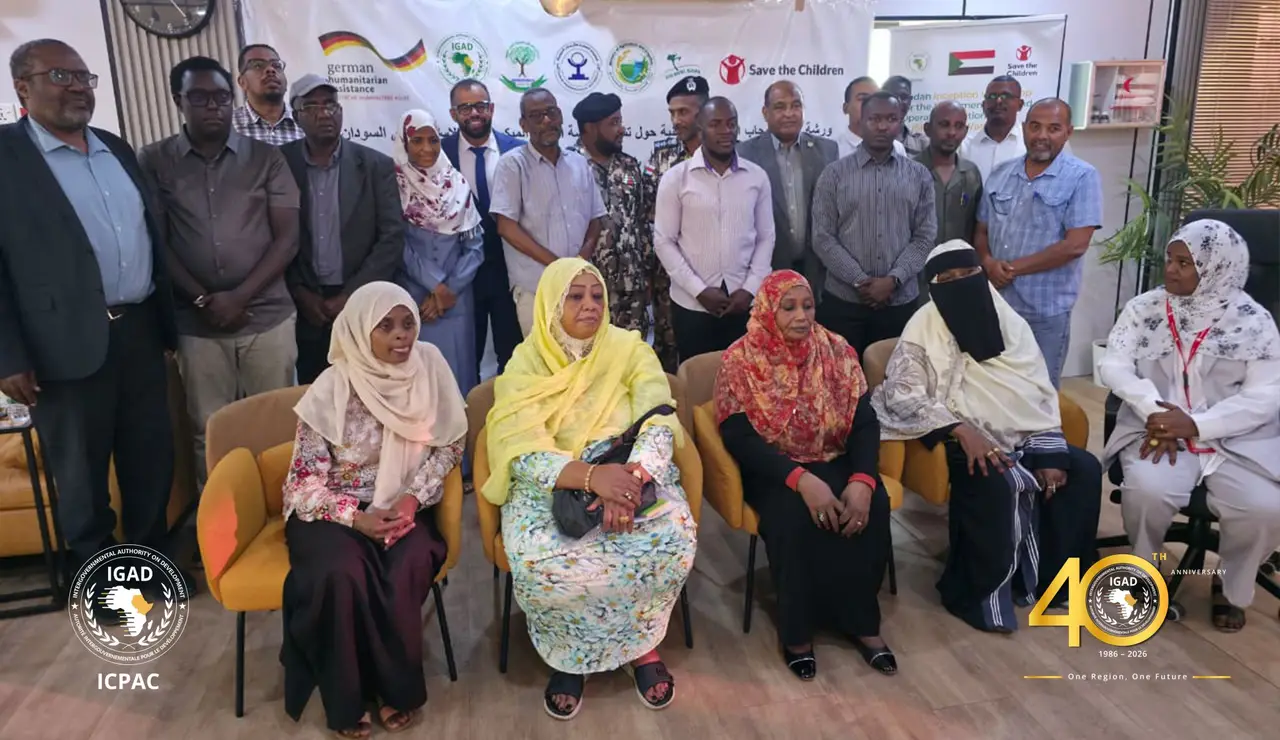
ICPAC, Save the Children International and the Sudan Meteorological Authority ran a hands-on workshop on operating Husika — from forecast workflow to alert generation, delivered over SMS and IVR in Arabic and local languages.
Programme
12 June 2026
6 min read
South Sudan
SUSTAIN: standing up multi-hazard early warning in South Sudan
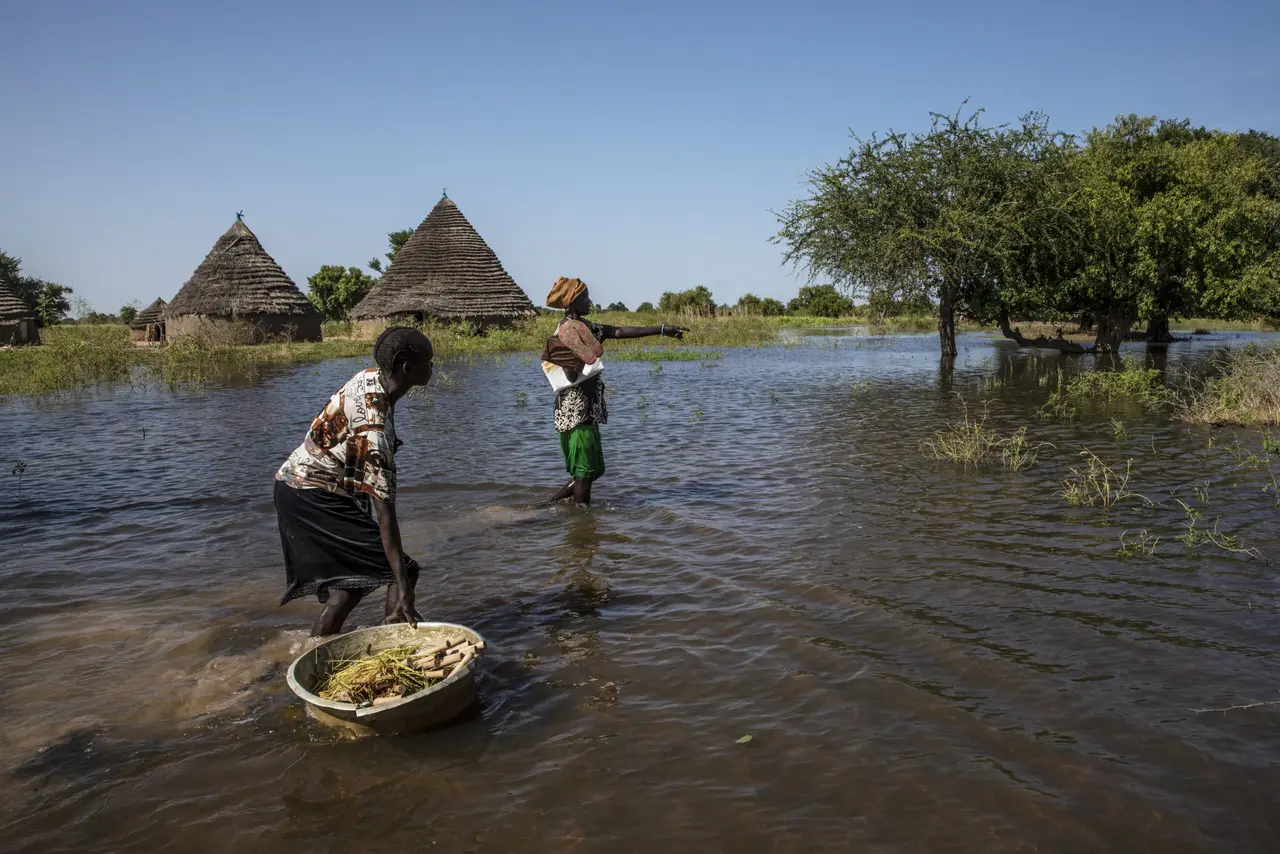
Communities and productive sectors in South Sudan face unprecedented climate impacts, yet the country lacks adequate capacity to monitor, predict and communicate them. SUSTAIN rebuilds that chain from the weather station upward — with Husika as the last mile.
Ready to transform your early warning system and build community resilience?
Join leading governments, NGOs, and climate organizations using Husika to deliver life-saving information via SMS, mobile apps, and web platforms — all with a real-time feedback loop that continuously improves impact.
NEXT STEP
Start a partnership
Already working with early warning systems?