

From climate forecasts driven actions to sustainability: Strengthening cross-border early warning systems in the Karamoja Cluster
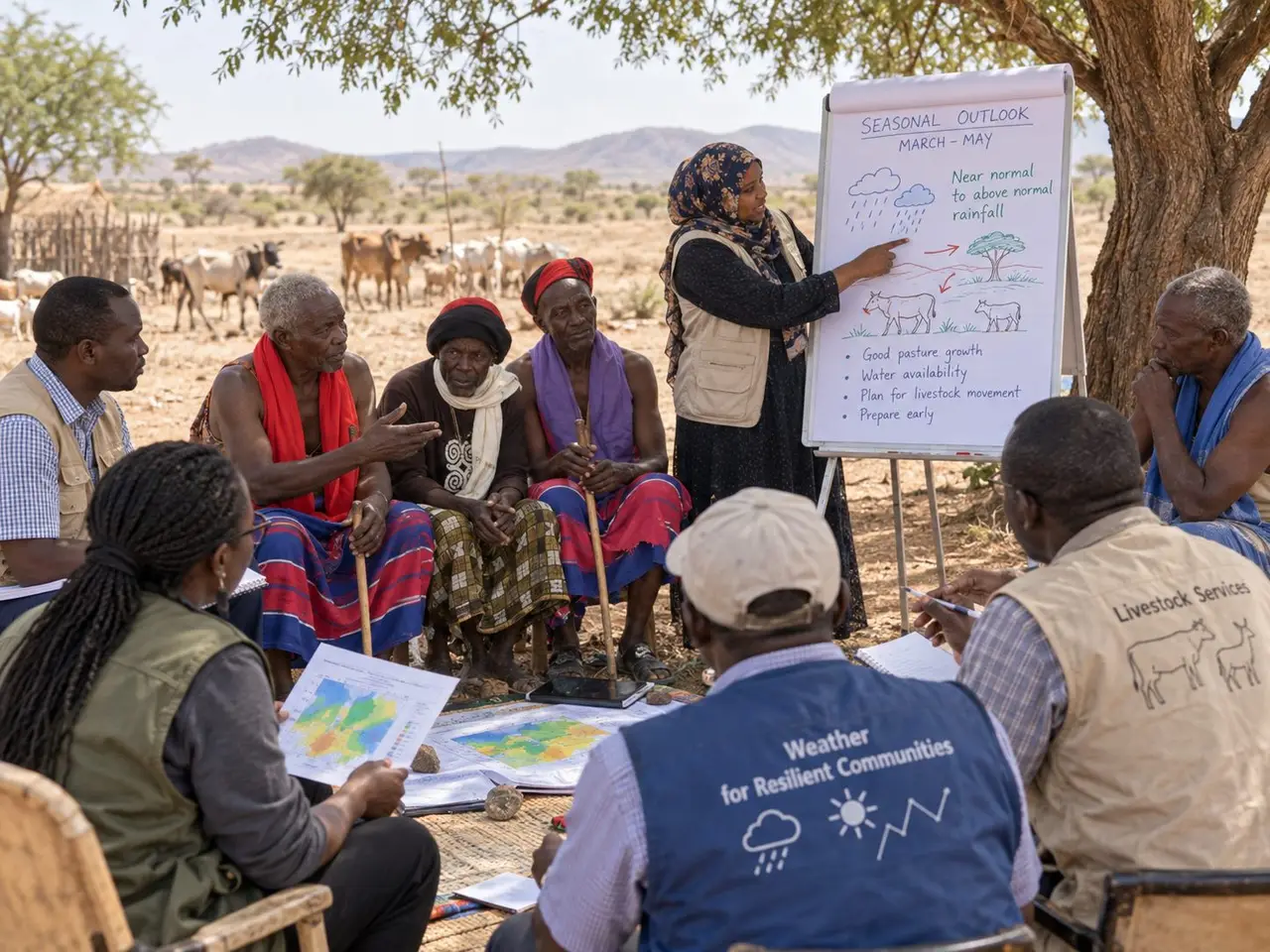
A forecast becomes an action when the people who must act on it helped write it. In the Karamoja Cluster, Participatory Scenario Planning brings meteorologists, traditional weather forecasters, livestock officers and community leaders from Kenya and Uganda together to co-produce climate advisories — and communities begin to anticipate drought rather than react to it.
23 April 2025
4 min read
Karamoja Cluster, Kenya and Uganda
Ongoing · regional network
2
Countries co-producing advisories
GHACOF
Regional outlook forum
Co-production, not dissemination
Participatory Scenario Planning (PSP) is the mechanism at the centre of this work. It brings meteorologists, traditional weather forecasters, livestock officers and community leaders from both Kenya and Uganda together to co-produce climate advisories rather than to hand them down.
The distinction matters. An advisory produced elsewhere and delivered inward has to earn trust on arrival; one that community leaders and traditional forecasters helped shape arrives already carrying it.
Two ways of reading the season
Communities in the cluster listen to both their elders and to downscaled forecasts from regional and national centres. Integrating indigenous knowledge with scientific forecasting is treated here as a design principle rather than a courtesy — the two readings of a season are held side by side, and the advisory is built from both.
The effect is anticipatory. Where a household would once have responded to a drought only once it was visible, the combination gives it reason to act on a season that has not arrived yet.
A border that early warning crosses
The Karamoja Cluster spans a border that livestock, pasture and rainfall do not respect. Working across it makes early warning a contribution to cross-border peacebuilding as well as to preparedness: two sets of authorities and two sets of communities read the same season the same way.
Livelihood diversification runs alongside this, so that anticipating a hard season is matched by having more than one way to come through it.
The network that carries it
A regional network of meteorologists, drought preparedness officers, elders and peacebuilders now bridges science and indigenous knowledge, turning early warning into early action.
ICPAC supports that network with cross-border climate forecasting, early-warning bulletins and capacity building, through tools such as the Greater Horn of Africa Climate Outlook Forum (GHACOF).
Source
ICPACAt a glance
Karamoja Cluster, Kenya and Uganda
Ongoing · regional network
ICPAC
More case studies
Capacity building
23 September 2026
4 min read
Juba, South Sudan
Training South Sudan’s journalists to carry climate information to the public
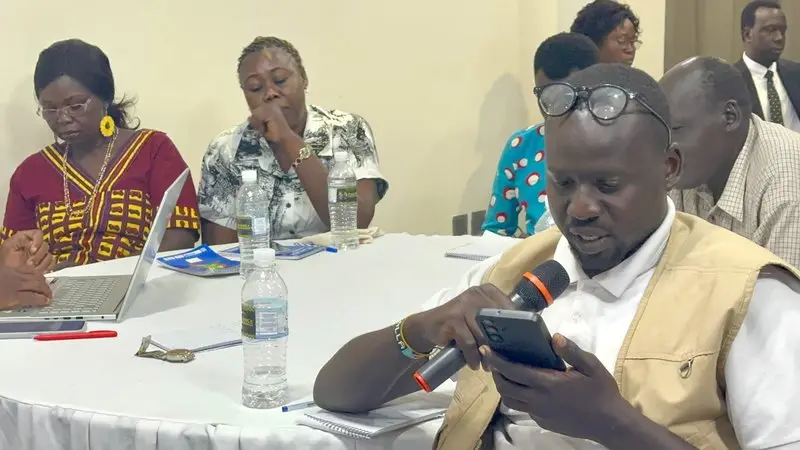
In Juba, ICPAC, WFP, the South Sudan Ministry of Humanitarian Affairs and Disaster Management and the South Sudan Meteorological Service trained journalists to carry climate information to the public without changing the science — the first in a series of Husika trainings for the media across IGAD Member States.
Capacity building
21 July 2026
4 min read
Port Sudan, Sudan
Four days in Port Sudan: putting the Husika platform in national hands
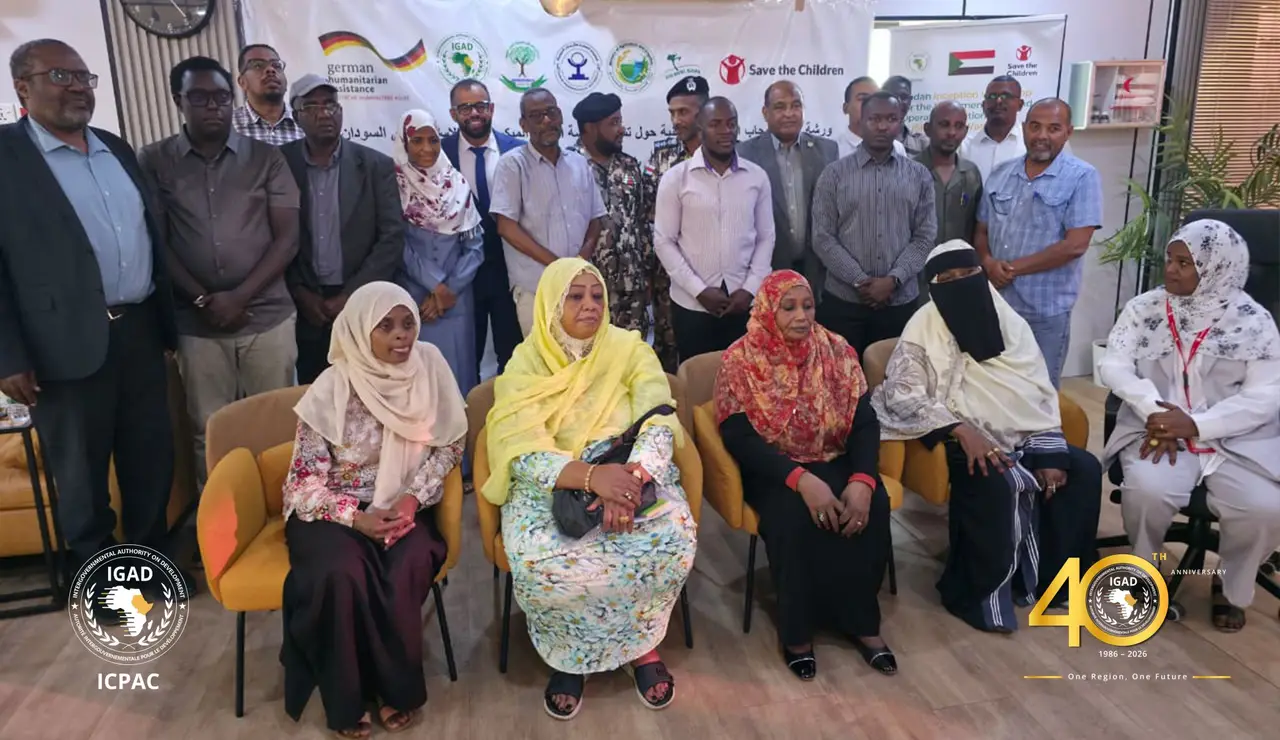
ICPAC, Save the Children International and the Sudan Meteorological Authority ran a hands-on workshop on operating Husika — from forecast workflow to alert generation, delivered over SMS and IVR in Arabic and local languages.
Programme
12 June 2026
6 min read
South Sudan
SUSTAIN: standing up multi-hazard early warning in South Sudan
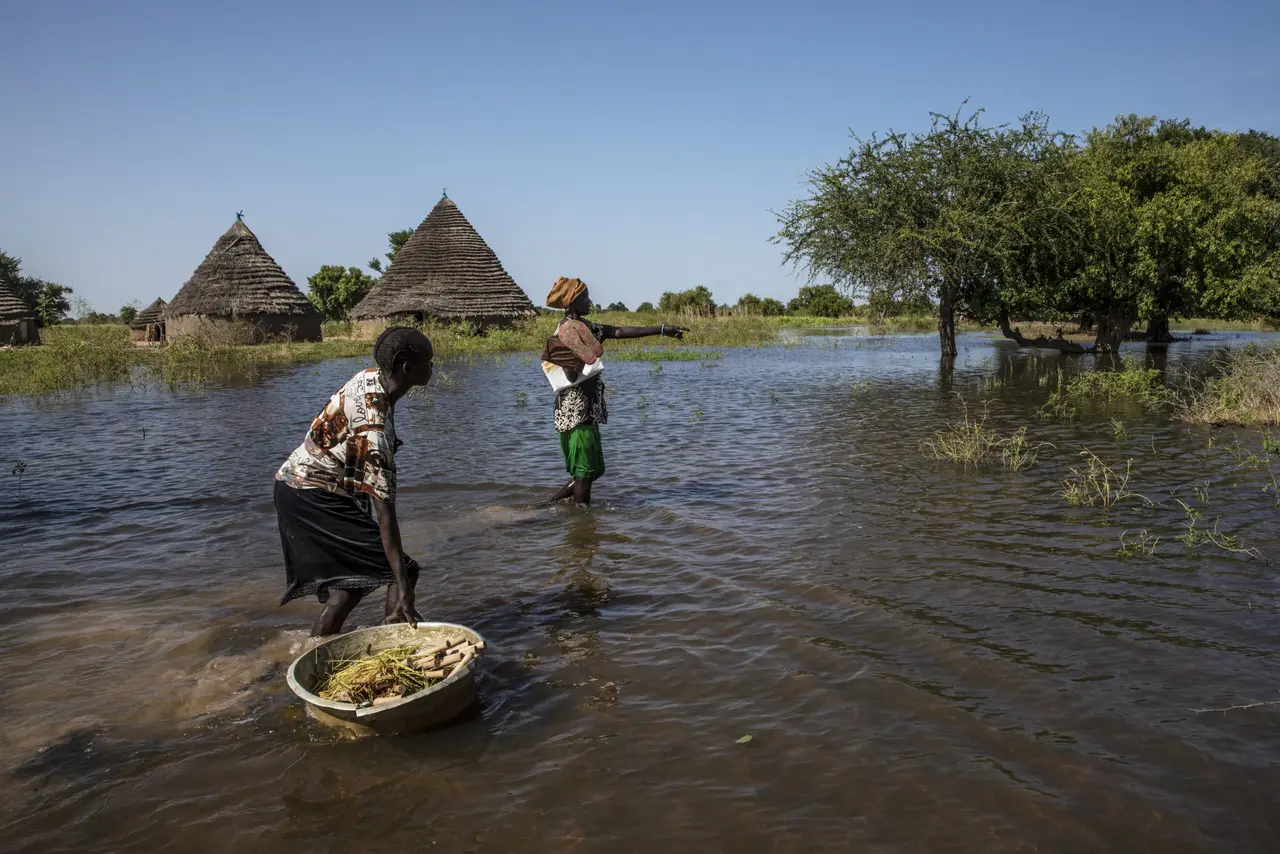
Communities and productive sectors in South Sudan face unprecedented climate impacts, yet the country lacks adequate capacity to monitor, predict and communicate them. SUSTAIN rebuilds that chain from the weather station upward — with Husika as the last mile.
Ready to transform your early warning system and build community resilience?
Join leading governments, NGOs, and climate organizations using Husika to deliver life-saving information via SMS, mobile apps, and web platforms — all with a real-time feedback loop that continuously improves impact.
NEXT STEP
Start a partnership
Already working with early warning systems?